Guide board

Tip run guides

General practice only. Always check the facility source before you load the trailer.

Latest guides

Tip run guides

Quick reference

Guide

How tip fees work in Australia

A facility may charge by weighbridge, by vehicle or trailer load, or by item. Minimum charges are common. Mixed waste can cost more because it takes more handling.

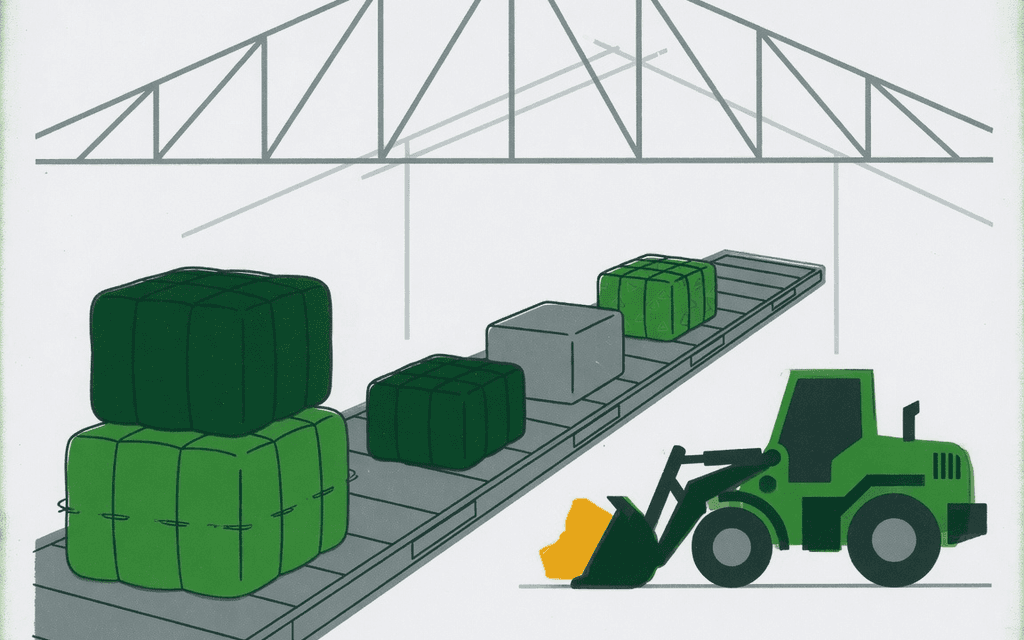
Keep metals, green waste, cardboard and problem items separate where the facility allows it. Sorting before the gate helps staff send each material to the right bay.
Guide

What you can and cannot take to a transfer station

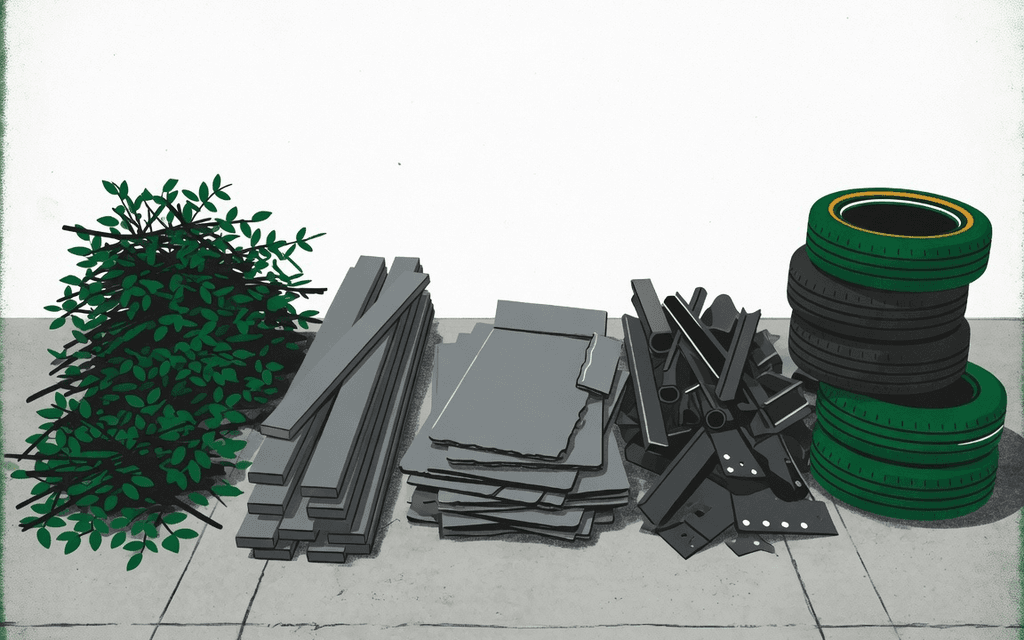
Common streams include general waste, green waste, scrap metal, cardboard, e-waste, mattresses and tyres. Each site sets its own acceptance rules.

Hazardous material, asbestos, liquids, gas bottles and batteries often need a separate service or a specific drop-off area. Do not assume a facility will take them without checking.

Guide

Skip bin vs tip run

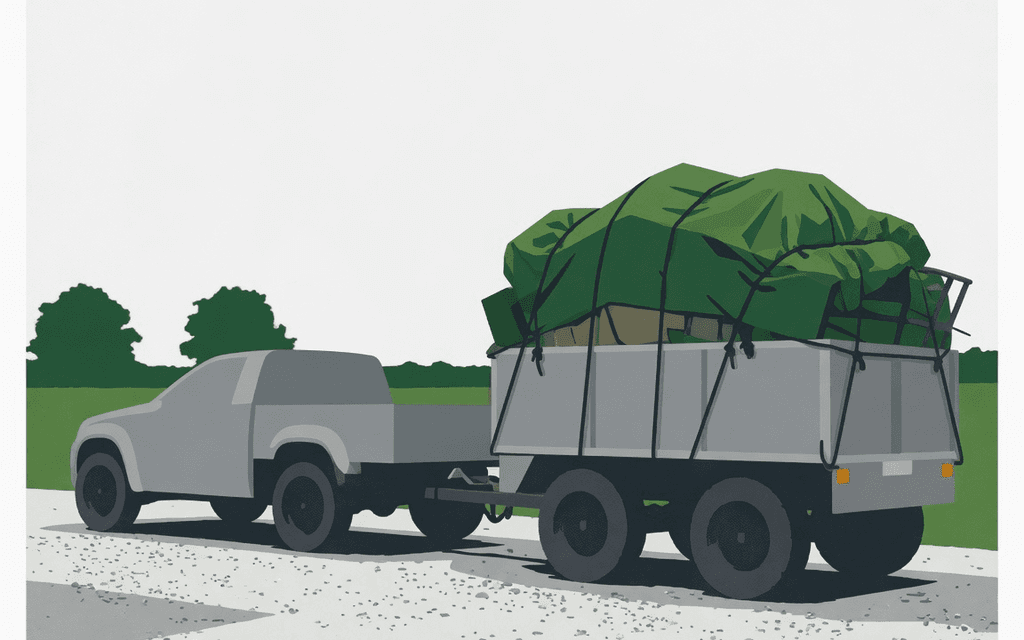
A tip run can make sense for a small load you can sort, secure and unload yourself. A skip bin can make sense when the job creates waste over several days or the material is too bulky for a trailer.

For a bulky, heavy or multi-day job, a skip bin or rubbish removal can beat the tip run. The booking panel below texts you local providers.

Guide

Green waste disposal options

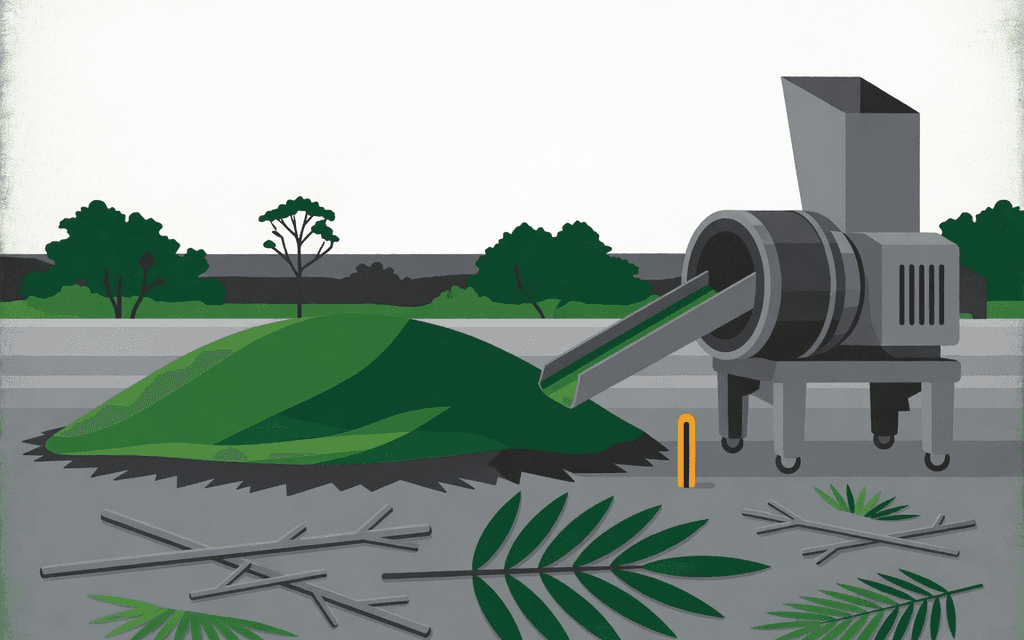
Green waste may go to a dedicated bay, council collection, private green waste processor or skip bin. Keep soil, plastic bags and treated timber out unless the facility source says they are allowed.

Branch size, palm material and stump rules vary. Check before you cut and load.

Book a service

Book a skip or rubbish removal

If the load is bulky, heavy or spread over several days, a skip bin or rubbish removal can save the tip run. Ask us to text you local providers, no numbers to copy down.

Checking who covers this area.